Background
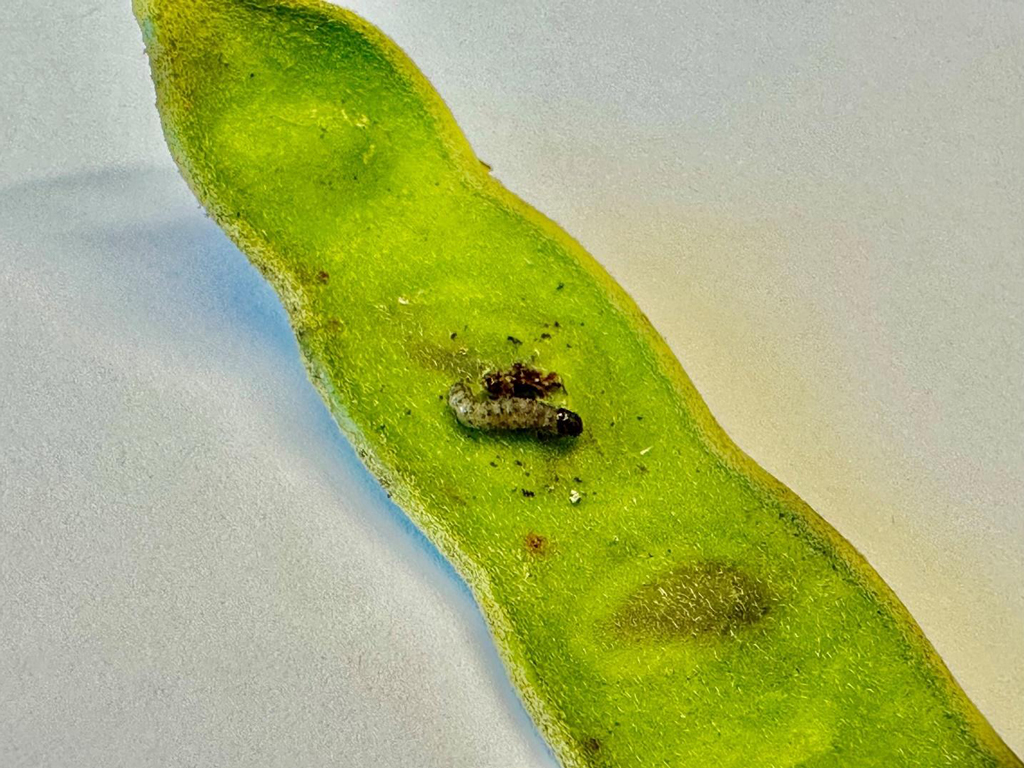
Koa wilt, caused by Fusarium oxysporum f. sp. koae, has decimated populations of koa (Acacia koa), a bioculturally and economically significant tree endemic to Hawai’i. Over a decade of genetic breeding has resulted in the identification of wilt resistant seed, however, several insect pests are known to predate on the seed, damaging up to 90% of seed yield. This issue has not been investigated in 40 years; therefore, the current seed predators were previously unknown. In addition, pest control methods to improve wilt resistant seed yield had not been implemented prior to this study.
Project Objectives
Determine the koa seed predators in both wilt resistant koa stands and natural koa populations across the State of Hawaiʻi
Test various seed predator control techniques ultimately to develop an integrated pest management plan. To date, we have tested:
- Aerial spray of Delegate WG (a.i. 25% spinetoram)
- Mating disruption using Isomate
OFM TT
Approach
Using citizen science, we have presented our project ideas at multiple local meetings including Hawaiʻi Conservation Conference, Pacific Entomology and Botany Meeting, and Trop HTIRC, and requested koa seed pods to rear out potential seed predators. We reared insects from brown and green koa seed pods in 2024 and 2025.
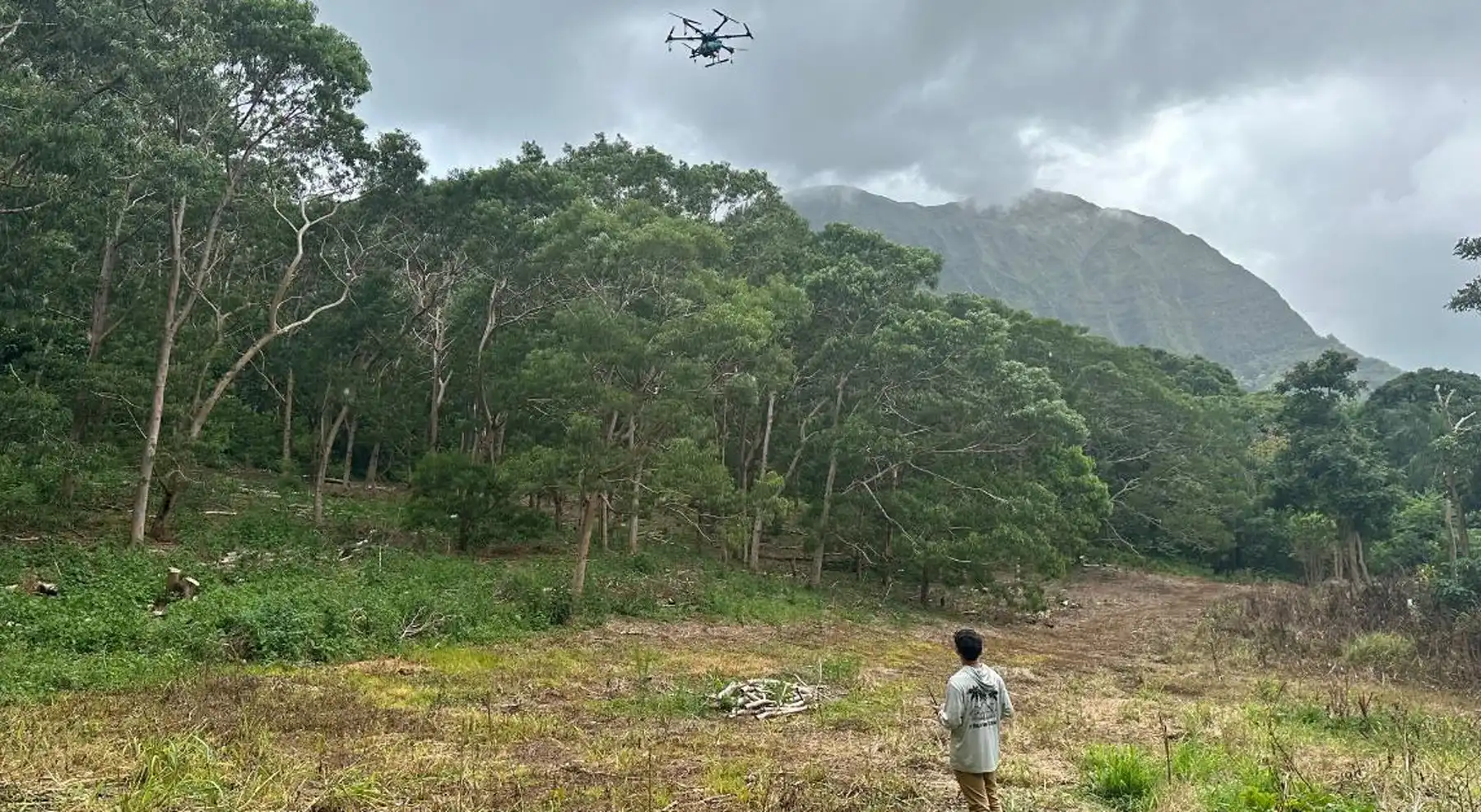
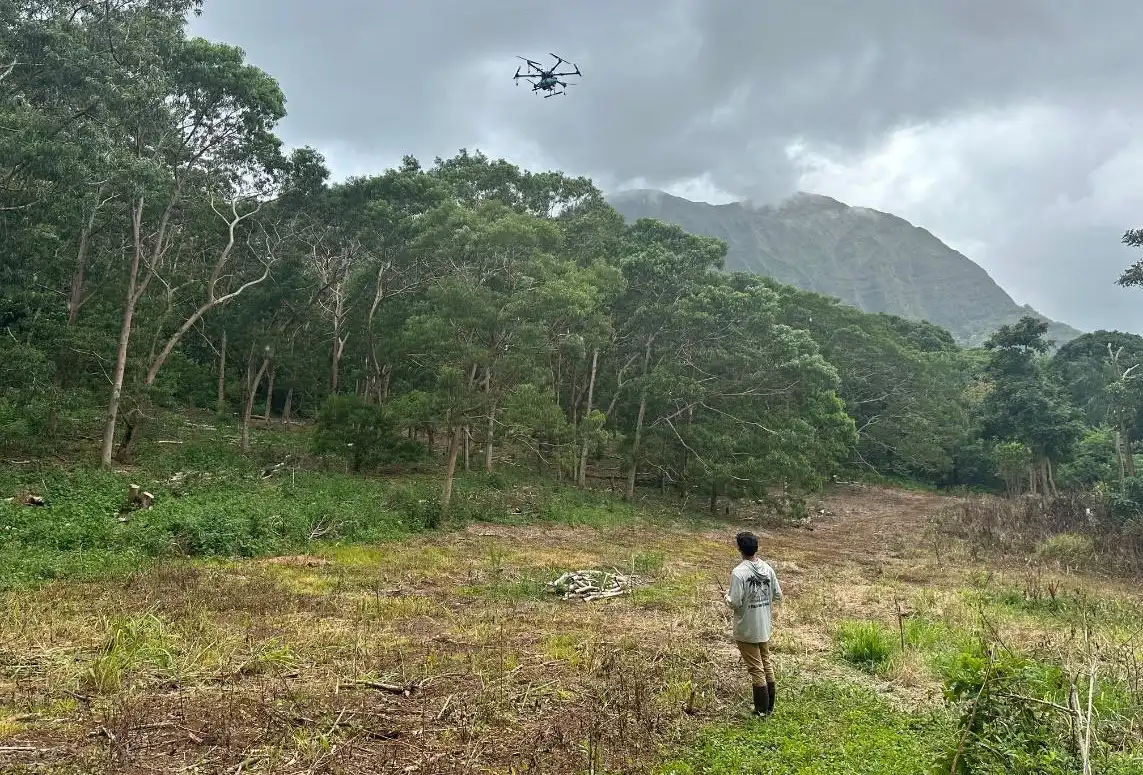
We conducted two trials at Agricultural Research Center at Maunawili, Oʻahu in the Spring of 2024 and 2025. Here, a 1-acre stand of wilt-resistant koa trees was treated with Delegate WG via a drone aerial sprayer and we compared moth trap capture and reared seed predators to a untreated 1-acre wilt resistant koa stand.
At Siglo Tonewoods on Hawaiʻi Island, we tested Isomate OFM TT in the Spring of 2024 and 2025. We compared seed predators reared from koa seed pods and moth trap capture from a 3-acre plot of wilt resistant koa treated with Isomate OFM TT to a second, slightly larger untreated stand.
Key Findings
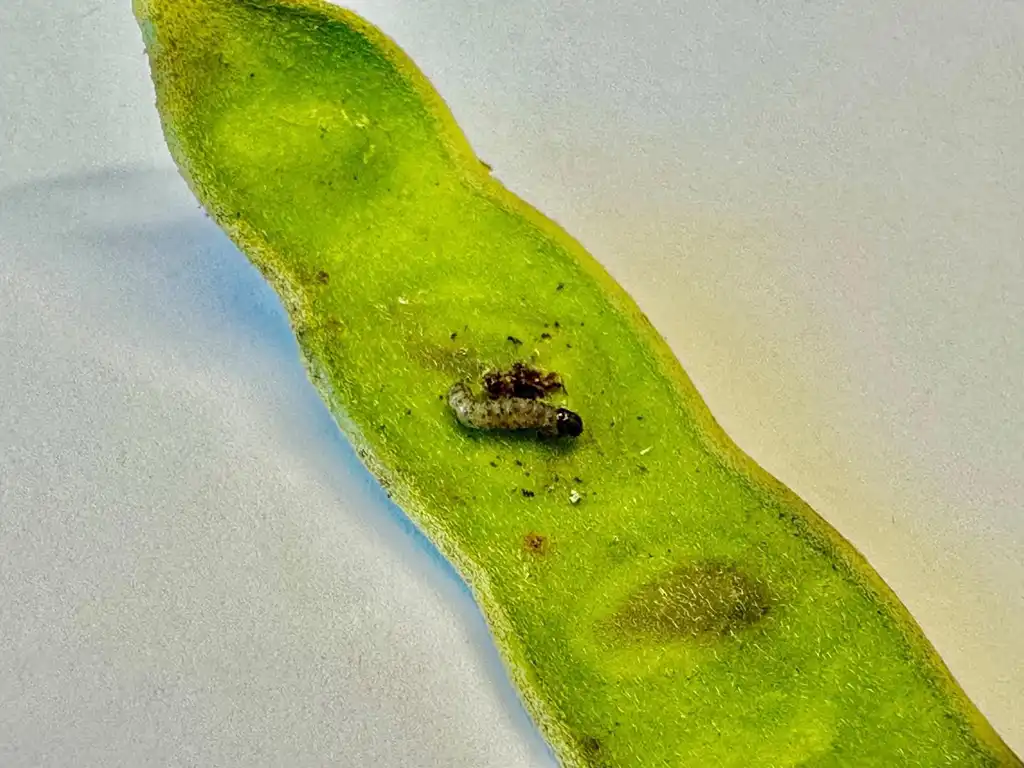
We received samples from over 10 sites and data has revealed the major seed predators as Cryptophlebia illepida, or koa seedworm. As of 2025, seed predation ranged from 4%-98%.
Both Isomate OFM TT and Delegate WG appear to have reduced seed predation at Maunawili and Siglo Tonewoods.
Future Plans
We are continuing all three projects in 2026; both Isomate OFM TT and Delegate WG will need Special Local Needs labels to be used in the State of Hawaiʻi.
Please submit koa seed pods to: kylle.roy@usda.gov
- At least 50 seedpods all brown or
all green - Preferably 5 pods from a single tree
(10 trees) - Record site name, GPS Coordinates,
and elevation
Partners and Collaborators
- USDA Forest Service
- State of Hawaiʻi Division of Forestry and Wildlife
- University of Hawaiʻi at Mānoa, College of Tropical Agriculture and Human Resources, Cooperative Extension
- Siglo Tonewoods
- Hawaiʻi Agricultural Research Center
- Oahu Army Natural Resources Program
- Mauna Kea Watershed Alliance